


You’ve probably heard that regular AC maintenance is essential, but have you ever wondered how it benefits your system’s lifespan? By scheduling routine check-ups, you’re not just preventing sudden breakdowns but also enhancing energy efficiency and potentially lowering repair costs. It ensures each component runs smoothly and efficiently, reducing unnecessary wear and tear. But there’s more to it than just the visible aspects. What about the unseen benefits that can make a significant difference in the long run? Let’s explore the hidden advantages that come with consistent AC care.
Importance of Regular Check-Ups
When it comes to maintaining your air conditioning system, understanding the importance of regular check-ups is crucial for ideal performance and longevity. You need to schedule these inspections to identify potential issues before they escalate. Technicians will examine components like the evaporator coil, condenser coil, and refrigerant levels, ensuring they operate within manufacturer specifications. This proactive approach prevents minor problems from developing into costly repairs that could disrupt service when needed most.
Regular check-ups are also critical for maintaining indoor air quality. Dust, pollen, and other pollutants can accumulate in the system, affecting efficiency and potentially causing health issues. During routine maintenance, professionals clean and replace air filters, reducing these contaminants and ensuring your system circulates clean air. This is particularly important if you’re in a role where serving others is paramount, as it guarantees a comfortable and healthy environment.
Moreover, consistent maintenance helps maintain energy efficiency, reducing unnecessary strain on components. This not only extends the system’s lifespan but also mitigates environmental impact. By keeping your AC in top condition, you’re serving your immediate needs and contributing to a broader responsibility of sustainable living.
Enhancing Energy Efficiency
To enhance energy efficiency in your air conditioning system, focus on refining its operational components and settings. Begin by confirming filters are clean or replaced regularly; clogged filters force the system to work harder, consuming more energy. Adjust the thermostat to a moderate setting; every degree higher can save up to 3% on cooling costs. Utilize programmable thermostats to automatically adjust temperatures based on your schedule, minimizing energy waste.
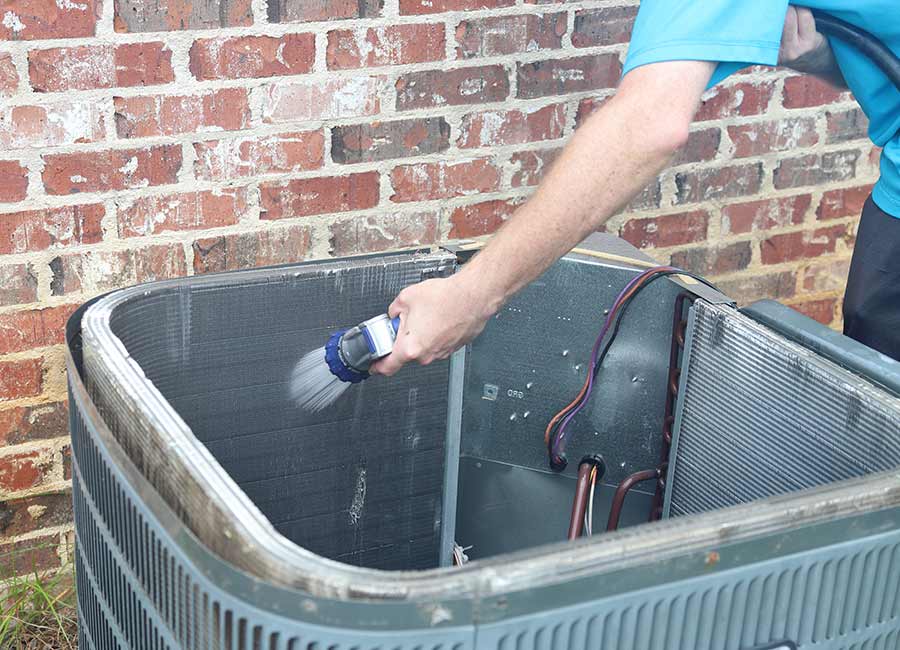
Inspect the ductwork for leaks or obstructions. Sealing any leaks can prevent cool air from escaping, promoting efficient airflow. Check that all registers and vents are unobstructed, allowing for ideal circulation. Regularly clean the evaporator and condenser coils. Dust and debris accumulation can reduce the system’s ability to absorb and release heat, requiring more power to achieve desired temperatures.
Evaluate the refrigerant levels; incorrect levels can compromise efficiency. Hire a professional to verify the refrigerant is at ideal levels, as handling it requires specific expertise. Maintain proper outdoor unit clearance; clear away debris and vegetation to improve airflow and system performance. By meticulously attending to these details, you enhance your AC’s energy efficiency and contribute to a more sustainable environment, benefiting those you serve.
Reducing Repair Costs
Regular AC maintenance improves energy efficiency and plays a pivotal role in reducing repair costs. When you commit to regular check-ups, you guarantee that minor issues don’t escalate into major repairs. By addressing these problems early, you avoid expensive service calls. Technicians can identify worn-out parts, like belts or filters, which might not seem critical but can lead to costly damage if neglected.
During each maintenance session, technicians inspect critical components such as the compressor, evaporator coils, and condenser for signs of wear or potential failure and replace components as needed. This proactive approach minimizes unexpected breakdowns and extends the life of your system, reducing the likelihood of emergency repairs that can strain your budget.
Moreover, by keeping the system clean and well-tuned, you reduce the stress on components, which decreases the risk of failure. Dirt and debris can cause parts to work harder, leading to premature wear. Regular cleaning prevents this, guaranteeing smooth operation. When you invest in routine maintenance, you serve your household by maintaining comfort and optimizing your financial resources by avoiding hefty repair bills.
Preventing System Breakdowns
While guaranteeing consistent performance, preventing system breakdowns relies heavily on diligent maintenance practices. You must focus on regular inspections, which help identify potential issues before they escalate into costly failures. Check electrical connections, as loose wires can lead to system malfunctions or even fires. Clean and replace air filters regularly to prevent airflow restrictions, which can cause the system to overwork, resulting in premature wear.
Monitoring refrigerant levels is vital. Insufficient refrigerant can strain the compressor, risking a costly breakdown. Additionally, confirm that the condenser coils are clean. Dirty coils reduce the system’s cooling ability, increasing energy consumption and potential overheating. Regularly lubricate moving parts like motors and bearings to minimize friction, reducing wear and energy consumption.
Don’t overlook the importance of testing the thermostat’s functionality. A malfunctioning thermostat can cause erratic operation, affecting comfort and efficiency. Regular maintenance prevents breakdowns and optimizes the system’s efficiency, ultimately serving those who depend on a reliable cooling environment. By being proactive and attentive, you can significantly extend the lifespan of your AC system, guaranteeing it continues to serve others for years to come.
Improving Air Quality
As you focus on improving air quality, consider the pivotal role that an AC system plays in maintaining a healthy indoor environment. Your AC doesn’t just regulate temperature; it’s critical in filtering out pollutants, allergens, and dust particles. By guaranteeing that your AC operates efficiently, you directly contribute to a cleaner atmosphere for those you care about.
Regular maintenance enhances filtration efficiency. Replace or clean filters at recommended intervals to prevent them from becoming clogged, which can reduce airflow and allow contaminants to circulate. By doing so, you guarantee that the system effectively captures harmful particles, improving the air quality considerably.
Additionally, pay attention to the evaporator and condenser coils. When clean, these components help maintain ideal humidity levels, prevent mold growth, and guarantee that your living space remains fresh and free from musty odors.
Don’t overlook ductwork. Accumulated debris in ducts can compromise air quality. Professional cleaning can remove this buildup, further purifying the air.
Maintaining Optimal Performance
To guarantee your AC system maintains ideal performance, prioritize routine inspections and timely interventions. Start by checking the thermostat calibration; an inaccurate thermostat can cause inefficiencies. Regularly clean or replace filters to guarantee unobstructed airflow, essential for maintaining system efficiency and preventing unnecessary strain. Examine the condenser and evaporator coils for dirt accumulation, as even minimal debris can reduce heat absorption, lowering performance.
Inspect the system’s electrical components, such as capacitors and contactors, for signs of wear. Faulty electrical connections can lead to operational inconsistencies or complete system failure. Lubricate moving parts, like motors and bearings, to minimize friction and energy consumption, thereby enhancing system efficiency.
Monitor refrigerant levels closely. An imbalance in refrigerant charge can lead to inefficient cooling and increased energy use. Additionally, check ductwork for leaks or blockages, guaranteeing ideal airflow throughout your home.
Avoiding Costly Replacements
Regular maintenance can significantly extend the lifespan of your AC system, effectively avoiding costly replacements. Addressing potential issues early prevents minor problems from escalating into significant failures, necessitating a complete system overhaul. Regular inspections identify worn-out components, guaranteeing timely repairs and replacements. This proactive approach minimizes the risk of a sudden breakdown and extends the system’s service life.
Consider the following key maintenance actions to prevent expensive replacements:
Component Cleaning: Dust and debris accumulation can lead to overheating and mechanical wear. Regular cleaning guarantees efficient operation and reduces strain on the system.
Refrigerant Level Check: Incorrect refrigerant levels cause the compressor to work harder, leading to premature failure. Maintaining proper levels prevents this strain and prolongs compressor life.
Electrical Connections Inspection: Loose or corroded connections can result in arcing and circuit board damage. Guaranteeing tight, clean connections reduces the risk of electrical failures.
Maximizing Cooling Efficiency
Maximizing cooling efficiency complements regular maintenance and enhances your AC system’s performance. You can better serve those who rely on a comfortable environment by guaranteeing that your unit operates at peak efficiency. Start by checking and replacing air filters monthly. Blocked filters restrict airflow, forcing the system to work harder and reducing efficiency. Make sure to clean the evaporator and condenser coils regularly. Dust and debris accumulation on these components can impede heat exchange, causing your system to consume more energy while providing less cooling.
Assess your thermostat settings for ideal efficiency. Set your thermostat to a moderate temperature and use programmable settings to adjust temperatures based on occupancy patterns. This strategy minimizes energy waste and maintains a comfortable atmosphere for everyone. Additionally, inspect your home for any air leaks around windows or doors. Sealing these leaks helps your AC system maintain the desired temperature without unnecessary energy expenditure.
Finally, verify that your system’s refrigerant level is correct. Insufficient refrigerant can lead to decreased cooling capacity and increased energy consumption. Engaging in these practices will prolong your AC system’s lifespan and create an efficient, reliable cooling experience.
Preserving Manufacturer’s Warranty
While maintaining your AC system is essential, preserving your manufacturer’s warranty is equally important to protect your investment. A manufacturer’s warranty can be your financial safety net if significant repairs are needed. To keep this warranty intact, regular maintenance is not just advisable—it’s often mandatory. Failing to adhere to the maintenance schedule can void your warranty, leaving you responsible for costly repairs.
Here’s how you can guarantee your warranty remains valid:
Document Maintenance: Keep detailed records of all maintenance activities, including dates, services performed, and the technician’s credentials. Documentation serves as proof of compliance with warranty terms.
Use Certified Technicians: Confirm that only qualified, certified professionals handle your AC maintenance. Unqualified individuals might inadvertently cause issues, and manufacturers frequently require certified technician involvement for warranty claims.
Follow Manufacturer Guidelines: Adhere to the manufacturer’s maintenance guidelines outlined in the user manual. Deviating from these can result in warranty voidance, as manufacturers set these requirements to guarantee peak system performance.
Ensuring Safe Operation
To guarantee the safe operation of your AC system, it’s vital to perform regular safety checks and follow best practices. Begin with inspecting electrical connections; loose wires can lead to arcing and potential fire hazards. Tighten connections and examine for any signs of wear or corrosion. Maintaining the integrity of your system’s wiring is imperative for safety.
Check the refrigerant levels, as low levels can cause the compressor to overheat, posing a risk of system failure. Overheating not only reduces efficiency but can also become a safety hazard. Regularly clean or replace air filters to prevent restricted airflow, which can cause components to work harder and overheat.
Examine the condensate drain for blockages. A clogged drain can lead to water leaks and potential mold growth, creating health risks for occupants. Verify safety switches are functioning correctly; they’re designed to shut down the system if an unsafe condition arises.
Finally, test the thermostat for accurate calibration, as an incorrect reading can lead to inefficient operation and undue stress on the system. By proactively maintaining these components, you extend your AC’s lifespan and enhance safety, serving others by providing a comfortable and secure environment.
Conclusion
Committing to regular AC maintenance will optimize your system’s performance and longevity. Inspections enhance energy efficiency and minimize repair costs by catching issues early. This proactive approach prevents unexpected breakdowns and costly replacements. Plus, it boosts air quality and guarantees your cooling system runs at peak efficiency. Consistent upkeep also helps preserve your manufacturer’s warranty, providing peace of mind. Ultimately, you’ll secure the safe, reliable, and efficient operation of your AC system for years.
Frequently Asked Questions
How Often Should I Schedule AC Maintenance Visits?
You should schedule AC maintenance visits biannually, ideally in spring and fall. This guarantees efficient operation, prevents unexpected breakdowns, and maintains superior air quality, allowing you to provide a comfortable environment for those you serve.
What Signs Indicate My AC Needs Maintenance?
You’ll notice reduced airflow, inconsistent cooling, unusual noises, or increased energy bills. These signs mean your AC needs professional attention to guarantee peak performance, serving your comfort needs efficiently while preventing further damage and costly repairs.
Can Maintenance Impact My AC’s Environmental Footprint?
Yes, regular AC maintenance reduces energy consumption, minimizing environmental impact. By ensuring components operate efficiently, you prevent energy waste. This lowers carbon emissions, aligning with your goal to serve the community by promoting sustainable practices.
Are There DIY Maintenance Tips for AC Systems?
Absolutely, you can clean or replace air filters monthly, clear debris around the unit, and check for leaks. Doing these tasks guarantees your AC runs efficiently, reducing strain and energy use, ultimately benefiting those you serve.
How Does Climate Affect AC Maintenance Needs?
Climate significantly affects AC maintenance needs. In hot, humid areas, due to increased usage and moisture, you’ll need to check filters and coils more often. Dust accumulation in dry regions requires frequent cleaning to guarantee peak performance.