



When your AC isn’t cooling, it’s easy to feel frustrated, especially during those hot days. Don’t rush to conclusions; simple checks might reveal the issue. First, confirm your thermostat is set correctly to “cool” and that the temperature setting is correct. Next, inspect and clean your air filters, as clogged filters can severely restrict airflow. Low refrigerant levels or leaks could also be impacting your system’s performance. But what if these steps don’t help? Other underlying problems might affect your AC’s efficiency, and addressing them could restore your comfort.
Check the Thermostat
Have you ever wondered why your AC isn’t cooling effectively? One common issue might be the thermostat settings. When your AC is not cooling, start by checking your thermostat. Confirm it’s set to “cool” and the temperature is lower than the current room temperature. A simple oversight here can lead to unnecessary AC repair calls.
Next, verify the thermostat’s location. If exposed to direct sunlight or heat from appliances, it might misread the actual room temperature. Place it on an interior wall away from these heat sources for peak performance. This helps your AC operate efficiently, serving you and others by maintaining a comfortable environment.
If your thermostat runs on batteries, check if they need replacing. Weak batteries can lead to inaccurate temperature readings, causing your AC not to cool properly. Ensure the thermostat is clean and free from dust, which can interfere with its sensors.
Finally, consider the age and model of your thermostat. Older or malfunctioning thermostats may not communicate effectively with your AC system, necessitating a professional AC repair. Addressing these points will help confirm that your AC functions effectively and efficiently, benefiting everyone around you.
Inspect Air Filters
Once you’ve confirmed the thermostat is functioning correctly, turn your attention to the air filters. Clean air filters are essential for efficient AC operation. Dirty filters restrict airflow, forcing your system to work harder, which can lead to inadequate cooling. To inspect them, turn off your AC unit for safety first. Locate the filters in the return air duct or the air handler. Gently remove them, noting their orientation for easy reinstallation.
Examine the filters closely. If they’re covered in dust or debris, it’s time to clean or replace them. For reusable filters, use a soft brush or vacuum to remove loose particles, then rinse with water and let them dry completely before reinserting. Replace disposable filters with a new one that matches the size and type previously installed.
Regularly inspecting and maintaining your air filters improves cooling efficiency and enhances indoor air quality, benefiting those you serve by providing a comfortable environment. Make it a habit to check the filters monthly, especially during peak usage seasons, to guarantee your AC system continues to operate at its best.
Evaluate Refrigerant Levels
When your AC isn’t cooling effectively, evaluating the refrigerant levels becomes essential. Refrigerant is the lifeblood of your cooling system, responsible for absorbing heat and transferring it outside. Low refrigerant levels can lead to inefficient cooling, causing your unit to work harder while still underperforming. First, check for any visible signs of refrigerant leaks on the refrigerant lines, such as oily residue or frost. These are indicators that the refrigerant is escaping, which needs immediate attention.
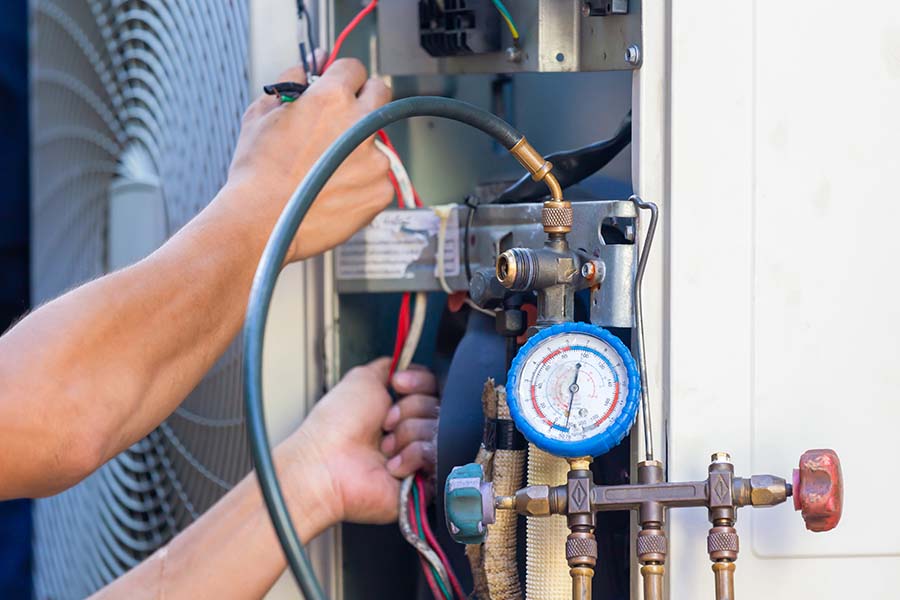
You’ll need a set of HVAC gauges to evaluate refrigerant levels properly. These tools measure the pressure of refrigerant in the system, giving you a clear indication if it’s low. Attach these gauges to the service ports on your AC unit. Compare the readings to the manufacturer’s specifications, typically found in the unit’s manual. If the pressure readings are below the recommended levels, the refrigerant may be low, and you’ll need a technician to recharge the system.
Examine the Evaporator Coil
Before delving into other potential issues, examining the evaporator coil is essential for diagnosing cooling problems in your AC unit. The evaporator coil absorbs heat from the air in your home, and if it’s not functioning correctly, your AC won’t cool effectively. Let’s walk through the key aspects of examining this component:
Check for Dirt and Debris: Dirt accumulation on the coil restricts airflow and heat absorption. Clean it using a soft brush or compressed air to prevent damage.
Inspect for Ice Build-Up: Ice indicates inadequate airflow or low refrigerant levels. If you spot ice, let the coil thaw completely before further inspection.
Examine for Damage: Look for bent fins or corrosion. Damaged fins disrupt airflow, reducing efficiency. If needed, use a fin comb to straighten them.
Ensure Proper Insulation: Check that the coil is insulated correctly, as poor insulation can lead to energy loss and reduced cooling performance.
Assess the Condenser Unit
The condenser unit plays a critical role in your AC system by releasing the heat absorbed from your home to the outside environment. You’ll want to perform a thorough inspection to guarantee it functions efficiently. Begin by turning off the power to the unit for safety. Look for visible signs of damage, such as bent fins, which can restrict airflow and reduce cooling efficiency. Gently straighten any bent fins with a fin comb to restore ideal airflow.
Next, check the condenser coils for dirt and debris accumulation. A dirty coil can impede heat transfer, making your AC work harder. Use a soft brush or a vacuum with a brush attachment to clean the coils. Be careful not to damage them during cleaning. Also, inspect the fan blades for damage or dirt buildup, as these can affect the unit’s ability to expel heat. Clean the blades with a damp cloth and verify they’re securely attached.
Finally, confirm the area around the condenser unit is clear of obstructions, like vegetation or debris, which could block airflow. Maintaining a two-foot clearance around the unit will help it function effectively and cool your home.
Clear Blocked Vents
Blocked vents can significantly impact your AC system’s cooling efficiency, often resulting in uneven temperatures and increased energy consumption. Confirming that your vents are clear and unobstructed is vital for peak airflow and comfort. Here’s how you can effectively address blocked vents:
Inspect for Obstructions: Check for furniture, drapes, or other household items blocking the vents. Relocating these items can enhance air circulation and improve cooling performance.
Clean the Vents: Dust and debris accumulation can restrict airflow. Remove the vent covers and clean them thoroughly using a vacuum cleaner or a damp cloth. This helps in preventing dust from being recirculated into the air.
Check for Closed Vents: Sometimes, vents are inadvertently closed, restricting airflow. Verify all vents are open, especially in rooms that require more cooling. Adjusting the dampers can help direct more air where it’s needed most.
Inspect Vent Ducts: Examine the ductwork for any signs of damage or disconnection. Leaks in the ductwork can result in significant airflow loss, reducing the system’s efficiency. Sealing any leaks with duct tape or mastic can restore proper function.
Investigate Electrical Issues
When your AC system isn’t cooling effectively, it’s crucial to investigate potential electrical issues, as these can often be the root cause of the problem. Start by checking the circuit breaker. If the breaker has tripped, reset it and see if the AC resumes regular operation. Consistent tripping could indicate a more serious electrical issue requiring professional attention.
Next, inspect the thermostat settings. Verify it’s in the correct mode—set it to “cool” and the desired temperature is lower than the room’s current temperature. Malfunctioning thermostats can send incorrect signals to your AC, disrupting its operation.
Examine the wiring connections within your AC unit. Loose, frayed, or corroded wires can impede electrical flow, causing your system to underperform or fail entirely. If you’re comfortable working with electronics, you can gently tighten connections and replace damaged wires. Otherwise, seek help from a professional to avoid potential hazards.
Lastly, verify that the AC’s capacitor is functioning correctly. A faulty capacitor can prevent the fan or compressor from starting, hindering cooling efficiency. Using a multimeter, check for capacitance levels aligning with the manufacturer’s specifications. If they’re off, replace the capacitor to restore functionality.
Test the Compressor
Explore the heart of your AC system by testing the compressor, a critical component responsible for circulating refrigerant and ensuring effective cooling. When your AC isn’t cooling, the compressor could be the culprit. Here’s how to test it effectively:
Turn Off Power: Safety first. Make sure to disconnect your AC unit from the power source. This prevents any electrical hazards while you work.
Inspect the Compressor: Use a multimeter to check the resistance of the compressor’s windings. Start with the common, start, and run terminals. Regular readings typically range between 0.5 to 10 ohms. Anything outside this range indicates an issue.
Check for Ground Faults: Set your multimeter to check continuity and test between each terminal and the compressor’s casing. If there’s continuity, the compressor is grounded and likely faulty.
Listen for Unusual Sounds: When you restore power, listen closely. A humming sound without the compressor starting could indicate a problem with the capacitor or the compressor itself.
Look for Refrigerant Leaks
After testing the compressor, another common issue to investigate is refrigerant leaks, as they can significantly impair your AC’s cooling capability. Refrigerant is essential for absorbing heat and releasing cool air. If there’s a leak, your system can’t maintain proper pressure levels, leading to inefficiency or lack of cooling.
To detect leaks, start by visually inspecting your AC unit. Look for oily residue or stains around the refrigerant lines, coils, or the compressor. These are telltale signs of a leak. You might also notice hissing sounds, which indicate escaping refrigerant. Use a leak detector for a more precise identification. These devices can sense the presence of refrigerant and pinpoint the leak’s location.
Check the system’s pressure with a manifold gauge. A leak is likely present if the pressure is lower than the recommended levels. Verify the AC is off and has stabilized before taking readings for accuracy. Handling refrigerant requires caution and adherence to safety guidelines, as it can be hazardous to health and the environment. Addressing these leaks promptly guarantees your AC operates efficiently and keeps everyone comfortable.
Consider Professional Assistance
If you cannot resolve the issue alone, it might be time to contemplate professional assistance. Tackling an AC problem without the proper expertise can lead to further complications. A certified technician can swiftly diagnose and address complex problems. Here’s why you should consider professional help:
Expert Diagnosis: Professionals use specialized tools and knowledge to pinpoint issues accurately, guaranteeing no underlying problems are overlooked. They can identify issues like electrical failures or refrigerant imbalances that might not be obvious at first glance.
Comprehensive Repairs: Technicians make sure all components work harmoniously. They handle intricate repairs, such as compressor issues, that require precise fixing skills without causing additional damage.
Efficiency: With years of experience, professionals can resolve problems faster than a DIY attempt, minimizing discomfort and downtime. They bring efficiency and expertise, guaranteeing your AC is restored to peak performance swiftly.
Safety: Handling refrigerants or electrical components can be hazardous. Certified technicians adhere to safety standards, protecting you from potential harm and ensuring the longevity of your AC unit.
Conclusion
You’ve explored various troubleshooting steps to diagnose your AC’s cooling issues. Start by verifying the thermostat is correctly set and clean any clogged air filters. Check refrigerant levels and inspect the evaporator coil for signs of frost. Confirm the condenser unit is debris-free and examine electrical connections for faults. Test the compressor for proper function and look for any refrigerant leaks. If problems persist, don’t hesitate to seek professional HVAC assistance to restore peak cooling.
Frequently Asked Questions
How Can I Improve My AC’s Energy Efficiency?
To improve your AC’s energy efficiency, regularly clean or replace air filters, guarantee vents aren’t obstructed, seal duct leaks, and schedule professional maintenance. These steps will enhance performance, reduce energy costs, and guarantee a comfortable environment for others.
What Regular Maintenance Should I Perform on My AC Unit?
You should clean or replace filters monthly, inspect coils for dirt, check fins for damage, and guarantee the condensate drain isn’t clogged. If applicable, lubricate motors, tighten electrical connections, and verify thermostat settings for peak performance.
Are There Any Signs That Indicate My AC Is Nearing the End of Its Lifespan?
You might notice increasing energy bills, frequent repairs, reduced airflow, or strange noises. These signs suggest your AC is nearing its lifespan. Proactive replacement guarantees efficient cooling, helping you better serve those relying on your comfort solutions.
How Can I Prevent My AC From Freezing Up?
Regularly clean or replace the air filter to prevent your AC from freezing, guarantee proper airflow, and schedule routine maintenance. Check refrigerant levels and fix any leaks promptly to maintain peak performance and serve others efficiently.
What Are Some Eco-Friendly Alternatives to Traditional Air Conditioning Systems?
You can consider using evaporative coolers, which use water to cool air, or installing ceiling fans for efficient air circulation. You can also opt for geothermal cooling systems, which harness the earth’s natural temperature, reducing energy consumption and environmental impact.