


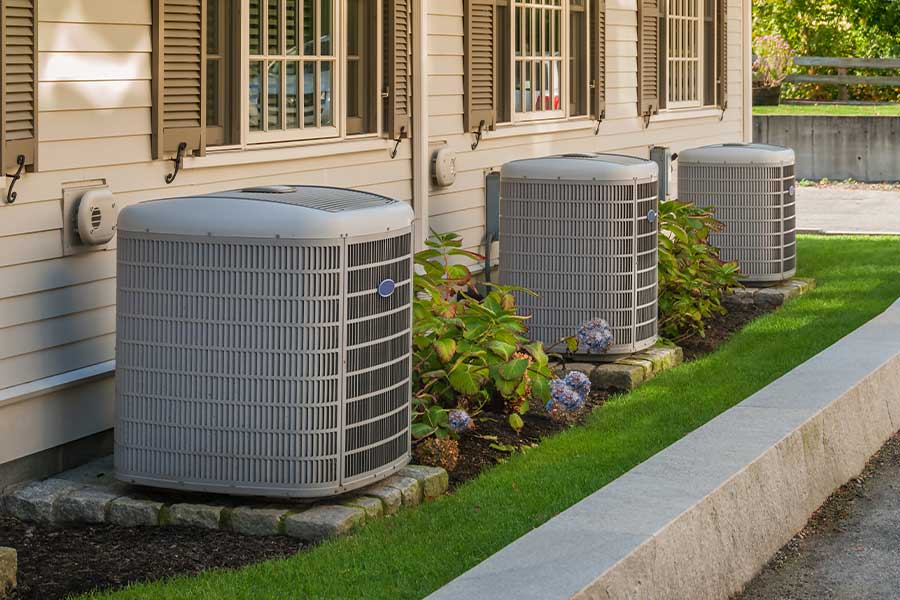
Choosing the right air conditioner for your home is not just about picking a brand or hitting a budget number. It is about making sure the system you install is properly sized for the space it needs to cool. In Carrollton, TX, where summers are long, humid, and relentlessly hot, an undersized or aging AC system is not just an inconvenience. It is a problem that affects your comfort, your energy bills, and the long-term condition of your home. A 4-ton AC system is a common fit for larger homes in the area, and there are specific signs that point toward needing one. Here is what to look for.
What Does “4-Ton” Actually Mean?
Before getting into the signs, it helps to understand what a 4-ton rating refers to. In HVAC, tonnage is a measure of cooling capacity, not the physical weight of the unit. One ton of cooling capacity equals 12,000 BTUs per hour. A 4-ton system, therefore, delivers 48,000 BTUs per hour of cooling.
As a general rule of thumb, a 4-ton system is typically appropriate for homes in the range of 2,000 to 2,500 square feet, though that range shifts depending on factors like ceiling height, insulation quality, window placement, sun exposure, and local climate. In Carrollton’s hot, humid climate, a proper load calculation by a licensed HVAC technician is the only reliable way to confirm the right size for your specific home.
Sign 1: Your Current System Cannot Keep Up With the Heat
If your air conditioner runs almost continuously during the peak of summer but still struggles to bring your home to the temperature you have set, that is a strong indicator that your current system does not have enough capacity for your space. In Carrollton, TX, where July and August temperatures regularly push into the upper 90s and beyond, an undersized system will simply never catch up.
This is different from a system that is malfunctioning. A system that has been inspected and is mechanically sound but still cannot maintain comfort on the hottest days is telling you something about its capacity. It is not broken. It is just not big enough for the job.
Running an undersized system continuously without relief accelerates wear on every component. The compressor, blower motor, and electrical parts all take on more strain than they were designed to handle over the long term. That kind of sustained overload shortens the system’s lifespan significantly and increases the likelihood of breakdowns during the season when you need cooling the most.
Sign 2: Your Home Is Larger Than 2,000 Square Feet and Has an Aging System
Square footage alone does not determine the right system size, but it is a meaningful starting point. If your Carrollton home falls in the 2,000 to 2,500 square foot range and your current AC system is ten years old or more, there is a reasonable chance that a 4-ton replacement is worth evaluating seriously.
HVAC systems have a typical lifespan of 15 to 20 years under good conditions, but efficiency degrades over time even with regular maintenance. A system that was properly sized when it was installed may no longer be delivering the same performance it once did. Older systems also use refrigerants and components that are less efficient by today’s standards, meaning you are likely paying more to get less cooling than a modern system would provide.
When an aging system in a larger home starts requiring more frequent repairs, the math often shifts in favor of AC installation and replacement rather than continuing to invest in an old unit that is already past its prime.
Sign 3: Certain Rooms or Zones Are Always Uncomfortable
Consistent hot spots in your home, rooms that never seem to cool down regardless of how long the system runs, are a classic symptom of a capacity or distribution problem. In a larger Carrollton home, rooms farthest from the air handler, rooms with large windows facing west or south, or upper-floor spaces can be especially prone to this problem if the system is not sized correctly.
It is worth noting that uneven cooling can also stem from duct issues, poor insulation, or airflow problems that are not related to system size. A professional evaluation can distinguish between a sizing problem and a distribution problem. But if your system has been inspected, your ducts are in good shape, and certain areas of your home still refuse to cool properly, inadequate capacity is the likely explanation.
Sign 4: Your Energy Bills Keep Climbing Without a Clear Reason
A steady upward trend in your cooling costs, without a corresponding increase in usage or utility rates, points to a system that is losing efficiency. This can happen gradually with an aging system, but it can also reflect a fundamental mismatch between what your system is capable of and what your home actually demands.
When an air conditioner is undersized or worn out, it compensates by running longer. Longer runtime means more electricity consumed. In Carrollton, TX, where the cooling season stretches from spring well into fall, even a modest efficiency gap translates into a meaningful increase in annual energy costs. If your bills have been creeping up year over year and your system is more than a decade old, that trend is unlikely to reverse on its own.
Investing in a properly sized, energy-efficient replacement is one of the few home improvements that pays back a portion of its cost through ongoing utility savings. Modern systems with high SEER2 ratings can deliver substantially better efficiency than equipment installed even ten years ago.
Sign 5: You Are Adding Living Space to Your Home
Home additions, finished attics, converted garages, and bonus rooms all add conditioned square footage that your existing system was never sized to handle. If you are planning or have recently completed a renovation that increases your home’s livable space, your current AC system may no longer be adequate for the total load.
This is a situation where getting the sizing right from the start matters a great deal. Installing a 4-ton system without verifying that it matches the new total load can result in a system that is either too small and struggles to keep up, or too large and has short cycles without properly dehumidifying the space. Either outcome is problematic in Carrollton’s humid climate, where humidity control is just as important as temperature management.
A licensed HVAC technician will perform a Manual J load calculation that accounts for the full square footage, insulation levels, window area, local climate data, and other variables to determine the correct system size for your expanded home.
Why Proper Sizing Matters as Much as the System Itself
It is worth emphasizing that a 4-ton system is not automatically the right answer for every larger home in Carrollton, TX. The goal is always a system that is properly matched to the specific demands of your space. An oversized system causes its own set of problems, most notably short cycling, which leads to uneven temperatures, excessive humidity, premature wear, and higher energy consumption.
The only way to know for certain what size system your home needs is through a proper load calculation performed by a qualified technician. That calculation takes the guesswork out of the decision and ensures that whatever system gets installed is set up to perform correctly from day one.
Pairing a new installation with a review of your duct system is also a smart move. A new, properly sized AC unit connected to leaky or undersized ductwork will never perform the way it should. Air duct sealing before or alongside a new installation ensures that the conditioned air your new system produces actually gets where it needs to go.
What to Expect From the Installation Process
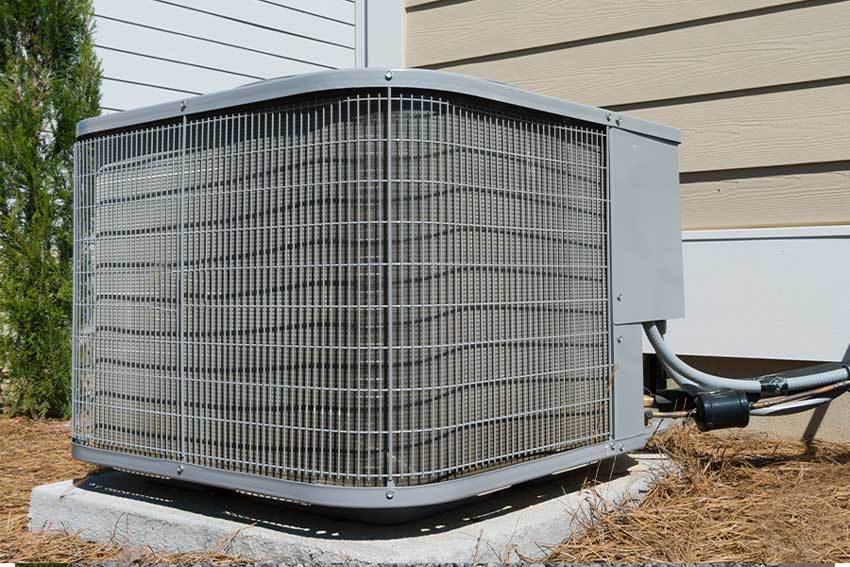
A quality AC installation in Carrollton, TX, involves more than pulling out the old unit and dropping in a new one. A reputable technician will perform a load calculation, verify that the existing ductwork is adequate for the new system, check refrigerant line sizing, inspect the electrical supply, and ensure that the system is commissioned correctly before leaving.
Proper installation has a direct impact on how efficiently and reliably the system operates over its entire lifespan. Shortcuts taken at installation tend to show up as performance problems and premature failures down the road. Choosing a contractor who does the job thoroughly is just as important as choosing the right equipment.
Staying current with AC maintenance after installation protects your investment and ensures that the efficiency gains you achieved with a new system do not quietly erode over time.
Conclusion
Recognizing the signs that your home needs a 4-ton AC system installation is the first step toward getting the comfort and efficiency you deserve through Carrollton’s demanding summers. Whether your current system is struggling to keep up, your home has grown, or your aging equipment has simply run its course, taking action sooner rather than later saves money and prevents the kind of mid-summer breakdowns that no homeowner wants to deal with. Brothers Air Conditioning & Heating has the experience to assess your home’s needs accurately and install the right system for the job. Book your consultation online or give us a call today and get ahead of the heat before it gets ahead of you.